◦ Comprehensive security
◦ 24/7 support
WordPress Guide → Management → File Manager
WordPress File Manager: How to use it and top alternative plugins for file management

Managing files in WordPress doesn’t always require cPanel or FTP access. With a file manager plugin, you can upload, edit, and organize files right from your WordPress dashboard—no extra software needed. Whether you’re fixing an issue, customizing a theme, or managing media, file managers make the process easier and faster.
Let’s walk through how to use a WordPress file manager plugin safely, then explore the best options available today.
Get fast, reliable WordPress hosting
Power your site with the industry’s most optimized WordPress hosting
What is a WordPress file manager?
A file manager in WordPress is a tool that lets you view and manage the files and folders on your website, directly from the WordPress admin area. It works like the File Explorer on your computer: you can click into folders, upload files, delete old ones, and even edit documents, without needing access to cPanel or FTP.
WordPress websites store all of their content—images, plugins, themes, and settings—as files on your hosting server. A file manager gives you direct access to those files in a visual interface, which can save time and help you make changes more confidently.
Why use a file manager in WordPress?
A WordPress file manager plugin gives you several useful benefits:
Media Cleaner is a trusted plugin that scans your Media Library and WordPress database to find unused files. It works by identifying files that are no longer referenced anywhere on your site (posts, pages, widgets, etc.).
How to use a WordPress file manager plugin
The most popular way to manage files in WordPress is with a plugin like File Manager by mndpsingh287. Let’s go through the full setup and usage steps.
1. Install and activate the plugin
- In your WordPress dashboard, go to Plugins > Add New.
- Search for File Manager by mndpsingh287. Make sure the author name and icon match to avoid installing the wrong tool.
- Click Install Now, then click Activate when the button changes.
Once activated, you’ll see a new WP File Manager option in your admin sidebar.
2. Access the File Manager
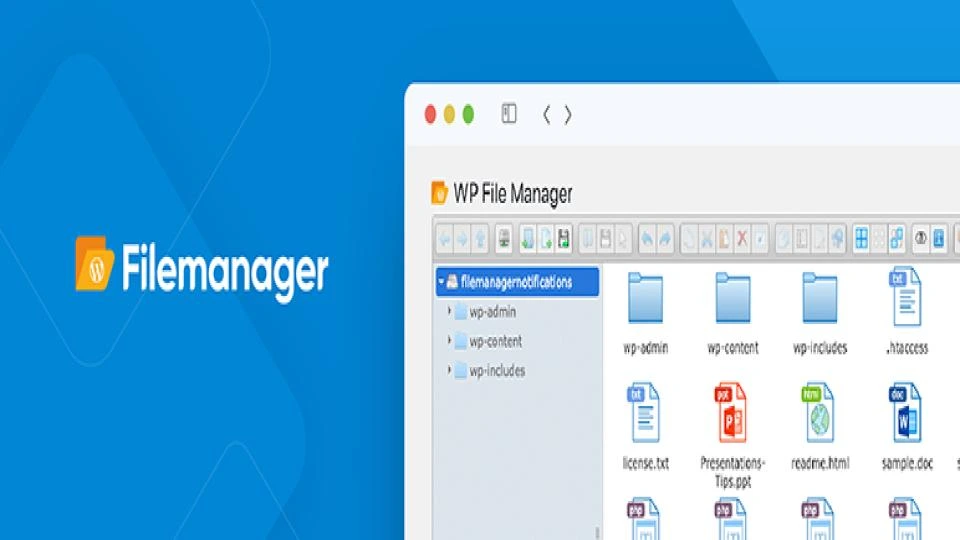
Click on WP File Manager in the sidebar. You’ll be taken to an interface that looks like a basic file explorer. The left pane shows your site’s folder structure (like wp-content, plugins, themes, etc.), and the right pane shows the files inside the selected folder.
You can:
- Browse directories by clicking folder icons
- Select files or folders by clicking them once
- Right-click to see available options like Rename, Edit, Delete, or Download
3. Perform file tasks
Here’s what you can do with File Manager:
- Upload files: Click the Upload icon in the top bar. Drag and drop files or click to select from your computer.
- Download files: Right-click a file and select Download.
- Rename items: Right-click and choose Rename to change a file or folder name.
- Edit code files: Click the Edit button to open a built-in code editor for files like wp-config.php or functions.php. Be cautious—editing these files can break your site if done incorrectly.
- Create new folders or files: Use the top menu to quickly create new items as needed.
- Set permissions: Use the right-click menu to adjust file and folder permissions if you know what access level you want to allow.
4. Secure your file manager
This plugin is powerful, so take extra precautions:
- Restrict access: Go to WP File Manager > Settings and limit access to Administrator roles only.
- Use secure passwords: Make sure all admin users have strong, unique passwords.
- Avoid editing core files unless necessary: Especially files like wp-config.php or .htaccess.
- Back up your site: Before making any file edits, back up your site.
Top WordPress file manager plugins (tested and trusted)
These plugins are available in the WordPress Plugin Directory, regularly updated, and tested with recent WordPress versions.
1. File Manager by mndpsingh287
File Manager is one of the most popular file manager plugins for WordPress. It offers a complete desktop-like interface that lets you edit, move, zip, and upload files with just a few clicks.
Key features:
- Drag-and-drop support for uploads and file movement
- Built-in text/code editor with syntax highlighting
- File operations: zip, unzip, rename, delete
- User role access control
Best for: Full-featured file management in your dashboard
Starting at: $0 (Pro version adds more access controls and themes)
2. Advanced File Manager
Advanced File Manager is a lightweight, AJAX-based plugin with a modern layout and quick performance.
Key features:
- Responsive UI for fast navigation
- Frontend file management with shortcode support
- Image previews and built-in search
- No external libraries required
Best for: Users who want a minimal, no-frills file manager
Starting at: $0
3. Filester – File Manager Pro
Filester is a newer plugin with a sleek interface and advanced role management features. It’s ideal if you want a balance between power and usability.
Key features:
- Tabbed browsing and dark mode
- Role-based access control
- Drag-and-drop file uploads
- File change logs and detailed operations
Best for: Users looking for a modern file manager with extra control
Starting at: $0
Alternative ways to manage WordPress files
If you don’t want to use a plugin, or need access outside of WordPress, here are other file management methods.
Use cPanel’s File Manager
Many web hosts include cPanel, which has its own File Manager tool.
- Log into your hosting account.
- Find and open cPanel, then click File Manager.
- You can upload, edit, or delete files from there—similar to the WordPress plugin version.
This is useful when your WordPress dashboard is inaccessible or broken.
Use FTP/SFTP with FileZilla or Cyberduck
FTP (File Transfer Protocol) lets you connect to your server remotely.
- Install an FTP client like FileZilla.
- Use the credentials provided by your host to connect (host, username, password, port).
- You’ll see your website files in a left/right split panel.
- Upload, download, or edit files from your local machine.
This method is recommended for large file transfers or when editing your site externally.
Use SSH (for advanced users)
SSH is a command-line method for accessing your server.
- Requires hosting with SSH access and some terminal experience.
- You can run commands to move, copy, edit, or delete files quickly.
If you’re not comfortable with command-line tools, stick with a plugin or cPanel.
Pros and cons of using a file manager plugin
Benefits
- Very easy to use, even for beginners
- No external tools or logins needed
- Saves time on small tasks like uploading or editing a theme file
- Works entirely from the WordPress dashboard
Risks
- Can be dangerous if used without backups
- Security issues if access isn’t restricted
- Accidental edits to core files can break your site
Best practices for safe file management in WordPress
Whether you’re using a plugin, FTP, or cPanel, follow these tips:
- Always back up before editing files. One mistake can take down your site. A backup gives you a safety net if a file is accidentally deleted or misconfigured.
- Limit access. Only admins should be able to use file managers. Reducing access prevents unauthorized users from making damaging changes or accessing sensitive files.
- Avoid editing core WordPress files unless you understand what they do. Changes to files like wp-config.php or .htaccess can affect your entire site and make it inaccessible.
- Use a staging environment to test file changes before going live. Staging sites let you experiment without risking your live website, which is critical for plugin or theme file edits.
- Choose well-rated, actively maintained plugins to minimize bugs or security holes. Outdated or abandoned file manager plugins can introduce vulnerabilities that hackers exploit.
Next steps for using a WordPress file manager
Using a file manager plugin is a beginner-friendly way to manage your WordPress files without needing FTP or hosting access. Just remember to take precautions—especially when editing core site files.
Start by installing File Manager by mndpsingh287 and explore how easy it is to upload, rename, and manage files in your dashboard. If you’re ever unsure, back up your site and test changes on a staging version first.
Ready to upgrade your WordPress experience? Professional hosting improves speeds, security, and reliability for a website and a brand that people find engaging and trustworthy.
Don’t want to deal with server management and maintenance either? Our fully managed hosting for WordPress is the best in the industry. Our team are not only server IT experts, but WordPress hosting experts as well. Your server couldn’t be in better hands.
Click through below to explore all of our hosting for WordPress options, or chat with a WordPress expert right now to get answers and advice.
Additional resources
WordPress management tips and trends →
A crash course on hosting, plugins and themes, running multiple sites, and more
WordPress for the enterprise →
Can WordPress handle your enterprise level site? Learn benefits and best practices, and decide for yourself.
Simple WordPress website maintenance →
A quick and easy guide to help you maintain your WordPress site