The complete guide to mobile commerce: how to optimize your store for an amazing mobile shopping experience

Mobile commerce is one of the fastest-growing internet trends today, and experts project the growth to continue. A 2022 Insider Intelligence report says mcommerce retail sales hit $359.32 billion in 2021. Analysts predict that number will at least double by 2025. With growth projections like this, it only makes sense that ecommerce providers do everything they can to attract customers from the world’s 5.48 billion mobile users. Now is the perfect time to tap into the mcommerce boom. But first, you need to learn what it’s all about. But not to worry. We’ll help you understand mobile commerce trends and discover how you can improve customer experience. Here’s what we’ll cover:
- What is mobile commerce?
- Mcommerce vs. ecommerce
- Mobile commerce industry trends and statistics
- Best strategies for mobile commerce optimization
- Final thoughts: how to optimize your online store for mobile commerce
Get fast, reliable hosting for WordPress
Power your site with the industry’s fastest, most optimized WordPress hosting
What is mobile commerce?
Mobile commerce is a term that describes all commercial activities carried out with mobile devices like smartphones and tablets. These activities include mobile banking, digital payments, subscription services, mobile marketing, and buying or selling goods and services via online marketplaces like Amazon.
Kevin Duffey coined the term mobile commerce in 1997 to describe “the delivery of electronic commerce capabilities directly into the customer’s hand, anywhere, via wireless technology.” Some of the earliest forms of mcommerce took place via SMS and phone calls. But its growth in recent years is a result of improvements in web technologies and internet speeds on mobile devices. An example of these improvements is vendors using social media to market and sell their offerings. And customers can use the same platforms to research and make purchasing decisions.
Mcommerce vs. ecommerce

It’s easy to look at mcommerce and ecommerce and assume they mean the same thing. After all, they both involve commercial activities over the internet. But some key factors give mcommerce an advantage over ecommerce:
- Mcommerce is specific to smartphones and similar mobile devices, as opposed to a laptop or desktop computer with ecommerce. This difference grants mobile commerce a mobility advantage.
- Mobile commerce also takes advantage of mobile devices’ unique features to provide improved customer experiences. Examples include GPS antennas and fingerprint scanners. Mcommerce offers enhanced security for financial transactions and push notifications for shopping discounts. It can even include tailored online shopping experiences based on customer location.
- Mobile apps simplify the mcommerce experience in a way that’s not easy to replicate in ecommerce. For instance, mobile wallet apps like Apple Pay allow customers to make secure mobile payments on their smartphones. And productivity apps let them make in-app purchases for extra features. App stores provide easy access to these apps on various mobile platforms.
Mobile commerce industry trends and statistics
Now, let’s take a closer look at the popularity of mobile commerce.
- Insider Intelligence expects mcommerce to make up 44.2% of all U.S. retail ecommerce sales in 2025.
- A 2022 Statista report found that 31% of U.S. shoppers prefer to make payments for products or services with their smartphones instead of using cash or cards.
- A 2022 data.ai report found that the annual time spent in shopping apps crossed over 100 billion hours globally in 2021. That’s an 18% increase over the previous year.
- A 2022 Mordor Intelligence report shows that North America currently has the largest mcommerce market. The Asia-Pacific region is the fastest-growing market.

These statistics show that mobile commerce is still in the early stages of a massive growth spurt. There is a lot of opportunity to meet customers where they are (on their mobile phones) and offer them what they want. All it takes is the right marketing strategy to attract these mobile shoppers.
Best strategies for mobile commerce optimization
Optimizing your store for mcommerce ensures that your customers get a great experience when they visit it on their mobile devices. Here are seven steps your mcommerce strategy can include to elevate the mobile shopping experience on your online store.
Ensure fast loading speeds
Slow load times are bad for customer engagement, and they’re even more of a hassle when it comes to online shopping. So, decreasing your ecommerce store’s load times is essential to increasing your conversion rate and maintaining your bottom line. Google PageSpeed Insights is an excellent tool for measuring your website’s load time on mobile devices and figuring out how to improve it. Other tools to explore are content delivery networks (CDNs) and caching.
Provide fast and accurate search functionality
Functional search is essential for a great mobile commerce experience. Some mobile website visitors are content to swipe through the different products available. But others prefer to search for a specific product. These searchers already know what they want and are more likely to buy if they find the right product. Some best practices for improving search on your mcommerce site include:
- Making the search box easy to find on mobile devices.
- Implementing autocomplete for search queries.
- Adding filters to your search results.
- Naming and categorizing your products correctly.
- Adding the search functionality to all pages of your online store.
Secure payment transactions

People are still wary of online payments for good reason. A 2022 Juniper Research study found that online payment fraud will be responsible for a $41 billion loss worldwide in 2022. So, guaranteeing safe and secure transactions for your customers can ease their minds. Following the PCI Data Security Standards (PCI DSS) protects against vulnerabilities in the card processing ecosystem. PCI compliance can help prevent credit card fraud on your online storefront. You can use several other measures to reduce the risk of mobile payments on your ecommerce website. These include using HTTPS for better site security and regular site audits for suspicious activity.
Make mcommerce payments quick and easy
One of the major advantages of mcommerce over ecommerce is convenience. The fact that most mobile payment options can reduce minutes-long ecommerce transactions to just seconds is part of why mobile commerce is so popular. The customer isn’t the only one who benefits from fast payment processing. Quick payments also reduce the time customers have to second-guess their purchases. Payment solutions like Stripe, PayPal, Google Pay, and Apple Pay can simplify the checkout process for mobile customers and keep payments secure.
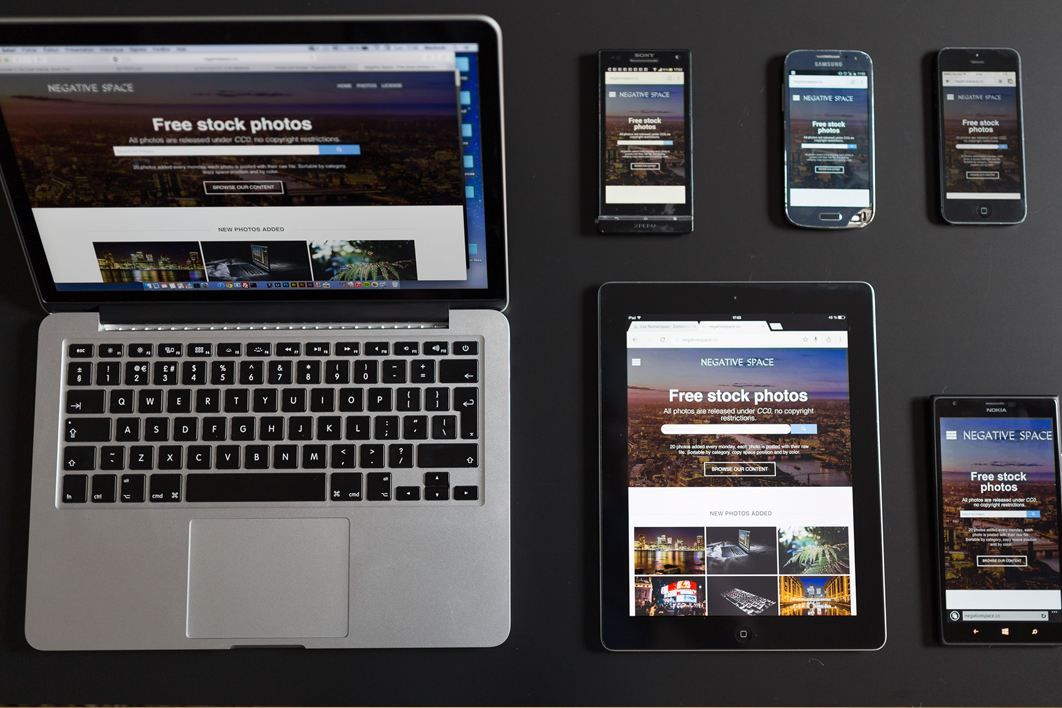
Leverage mobile-friendly designs and layouts
Viewing desktop-style websites on a mobile device can quickly become frustrating. The customer has to zoom out to see all the content at once and then in to make the text readable. Then, they have to scroll in all directions to find the missing content. But there’s a better way. Your ecommerce site can use a mobile-friendly interface to engage customers who prefer mobile shopping to ecommerce or physical stores. These mobile-first design principles offer a frustration-free user experience.
Guarantee compatibility with different mobile devices
Most of your mobile commerce customers will be smartphone users with devices that run Google’s Android operating system or Apple’s iOS. The massive market share of these two systems makes it relatively easy to offer mcommerce solutions through apps that can work for most mobile devices. But remember that some potential customers use phones that don’t run on Android or iOS. These customers also deserve a great online shopping experience. A well-optimized mobile site would be an excellent solution.
Offer strong customer support
The quality of your online store’s customer service can mean the difference between a loyal customer and a frustrated one who’s never coming back. Be sure to provide easily accessible support. That means live chat and email support from your mobile app or website. You should also include support channels on popular social media platforms. That’s where customers will go to complain if they don’t get the service they expect from your online store. Also, training your support staff to be polite, helpful, and quick to respond will go a long way to making your customers feel heard and understood. Finally, you should have a help section on your website. Include frequently asked questions, helpful blog posts covering common support topics, and contact information.
Final thoughts: how to optimize your online store for mobile commerce
Your mobile commerce strategy for succeeding in the mcommerce market boils down to giving customers the following features:
- A fast, optimized mobile experience.
- Secure and seamless payments.
- Excellent customer service.
Following these steps will help you harness the growth opportunities in the mobile commerce industry. Does mcommerce sound like the perfect business opportunity for you? Then check out our managed WooCommerce hosting. We offer fast, secure hosting for your online store. Plus, it’s easy to set up.
Additional resources
10 ways to attract new customers to your ecommerce store →
Attract new ecommerce customers with proven marketing strategies.
Introduction to email marketing for ecommerce retailers →
Use ecommerce email marketing to engage customers and drive repeat business.
3 best platforms to launch your ecommerce site →
Find the best ecommerce platforms to support your online store’s goals.
