◦ Setup in under 1 hour
◦ User-friendly API
Bare Metal → Server Setup
Bare metal setup: A step-by-step guide to setting up your first server
Setting up your first bare metal server may appear daunting, but it can be straightforward with the correct approach. A bare metal server is a physical machine dedicated to a single client. Bare metal servers provide direct hardware access without virtualization layers. These servers provide consistent performance for high-demand applications.
Follow these instructions to confidently navigate the setup process, whether you’re an experienced IT professional or new to the field.
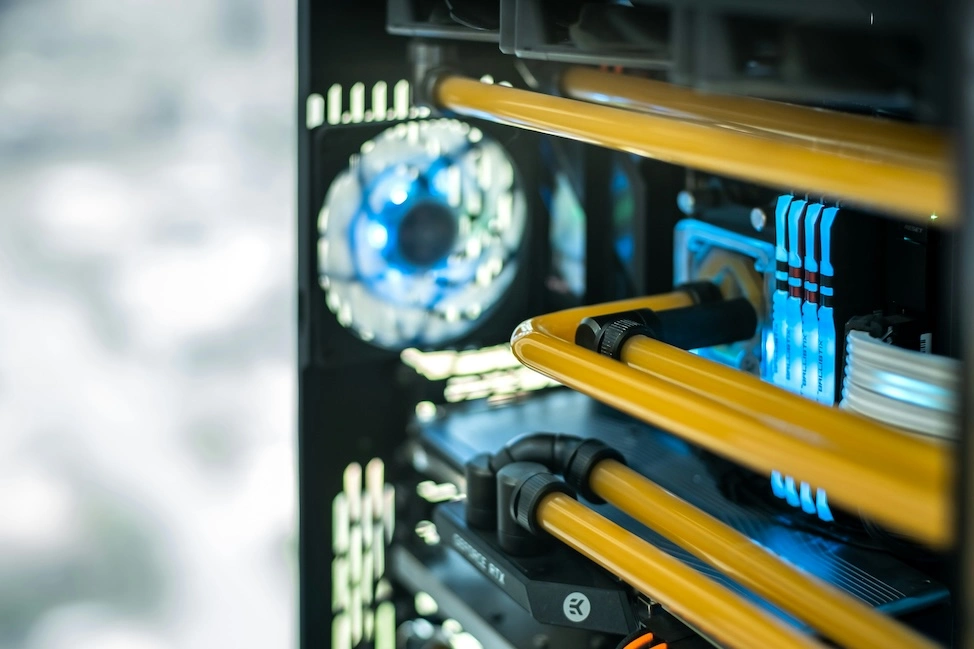
Bare metal server setup: An overview
A ‘bare metal server’ is a single-tenant physical server. Understanding the setup process ensures successful deployment and optimal configuration. The setup involves several key steps to ensure your server is configured optimally for your needs.
The bare metal setup process follows these steps:
- Select the right hardware. Choose components like CPU, RAM, storage, and networking options based on your requirements.
- Install the operating system through a custom installation process that configures system settings and preferences.
- Configure your server’s security settings and network configurations. This includes configuring firewalls, securing SSH access, and implementing access controls.
- Test all configurations to ensure everything functions as expected.
1. Clarify your hardware needs
Hardware requirements are the specifications needed for your server’s components. Understanding your applications and workloads determines the right server configuration. Evaluate the types of applications you plan to run, such as hosting a database or web hosting, and choose a server with the appropriate specifications.
Key hardware components to evaluate:
- Memory: Determines application processing capacity.
- Storage: Affects data access speeds and capacity.
- CPU: Controls computational performance.
- Network: Influences data transfer rates.
Consider scalability. As your business grows, your server demands will too. Opt for a server that allows for easy upgrades and expansions.
Additionally, think about redundancy and reliability. For mission-critical applications, invest in a setup that includes redundant components, such as power supplies and network interfaces, to ensure maximum uptime and performance. And review industry-standard hardware specifications guidelines to ensure compatibility and performance.
2. Select the best bare metal hosting provider
Bare metal hosting providers offer physical servers with cloud-like provisioning. Traditional dedicated servers typically require longer setup times. Choosing the right bare metal hosting provider impacts performance and management efficiency.
Evaluate the provider’s reputation through reviews and testimonials that highlight customer satisfaction, uptime reliability, and support responsiveness.
Consider the range of server configurations offered. A suitable provider should offer hardware options tailored to your specific needs.
Key differentiators between providers:
- Provisioning time: Minutes vs days.
- Billing: Hourly vs monthly.
- Hardware: Current-generation vs legacy.
Support availability matters; opt for a provider that offers 24/7 technical support through multiple channels, ensuring any issues can be resolved quickly.
Review the pricing structure and ensure it aligns with your budget while providing the features you need.
3. Choose your OS
Operating system selection determines server management methods and application compatibility.. Popular options include Linux distributions like Ubuntu, AlmaLinux, Debian, and Rocky Linux – known for their stability, security features, and community support.
Linux distributions offer different advantages.
- Ubuntu 22.04 LTS provides extensive package repositories and community documentation. But it requires 4GB RAM minimum and 25GB disk space for server installations.
- AlmaLinux 8 delivers enterprise-grade stability with long-term support. To run it you’ll need at least 2GB RAM and 20GB storage for minimal installations.
- Debian 12 emphasizes system stability and security. It operates with 1GB RAM minimum but recommends 2GB for server deployments.
- Rocky Linux matches RHEL requirements with 1.5GB RAM and 10GB disk space minimum.
If specific software runs best on Windows, opting for a Windows Server edition might be more suitable. Windows Server offers familiar interfaces and extensive support for enterprise applications, especially in environments that rely heavily on Microsoft tools. Consider the specific needs of your applications, your level of expertise, and the type of support you require when making your decision.
4. Configure the network
Network configuration connects your bare metal server to other devices and the internet.
- Connect your server to a reliable power source and the network switch using a suitable Ethernet cable.
- Verify the network interface card (NIC) is properly installed and recognized by the server’s operating system.
- Assign an IP address to your server, either static or dynamic via DHCP. If using a static IP, make sure it is within the range of your local network and not in use by any other device.
- Access your server’s network configuration settings to input the IP address, subnet mask, gateway, and DNS server information.
- Test the connectivity using commands like ‘ping’ to ensure your server can reach other devices and the internet.
5. Install the OS and any software
OS installation places the operating system directly on the server’s hardware. Once your server is up and running, install the operating system (OS) and any necessary software.
- Choose an OS that meets your specific needs, such as CentOS, Ubuntu, or Windows Server.
- Boot your server from a USB drive or a network image, and follow the on-screen prompts to partition your drives, set up user accounts, and configure network settings.
- Update the OS to the latest version and patch any vulnerabilities.
Software installation requirements vary by application type:
- Web servers: Apache or Nginx for HTTP/HTTPS traffic handling.
- Databases: MySQL or PostgreSQL for data storage.
- Runtime environments: PHP, Python, or Node.js for application execution.
For advanced automation and deployment strategies, explore bare metal programming techniques to streamline your installation processes.
Also, consider installing monitoring tools and backup solutions to maintain server health and data integrity. With your OS and software installed, your server will be ready to support your applications and services.
6. Set up monitoring systems
Monitoring systems track server resource usage and performance metrics. Choose a monitoring tool that suits your needs, ranging from open-source solutions to subscription-based services.
Essential performance metrics to monitor:
- CPU utilization: Measures processing load.
- Memory usage: Tracks RAM consumption.
- Disk I/O: Monitors storage performance.
- Network throughput: Measures data transfer rates.
Set thresholds reflecting your server’s typical performance levels to avoid unnecessary alerts. Consider implementing log management solutions to keep track of your server’s activities, helping diagnose issues or understand performance patterns over time.
7. Set up automatic backups
Automatic backups create scheduled copies of server data. Determine the frequency of your backups based on your data’s importance and how often it changes. For critical data, daily backups may be necessary, while weekly or monthly backups could suffice for less critical information.
Backup configuration involves three key decisions. First, select backup frequency based on data volatility. Second, choose storage location between local and remote options. Third, implement retention policies to manage storage costs.
Test the backup process regularly to confirm that backups are functioning correctly and that you can recover your data when needed.
Important considerations
Bare metal servers excel in specific use cases due to their dedicated resources:
- High-performance computing uses bare metal servers for scientific simulations.
- Big data processing requires bare metal servers for dataset analysis.
- Gaming servers benefit from bare metal’s low latency.
Consider additional management tools that can enhance your server’s capabilities, such as server monitoring software and automation tools. Automation tools streamline routine tasks, saving you time and reducing the risk of human error.
Security configuration requires systematic implementation:
- Firewall rules: Control incoming and outgoing traffic.
- Access controls: Restrict user permissions and authentication.
- Update schedules: Maintain current security patches.
- Intrusion detection: Monitor for suspicious activity patterns.
Getting started with bare metal servers
Bare metal servers differ from dedicated servers in provisioning and management flexibility. While both offer single-tenant hardware, bare metal provides API-driven deployment and hourly billing options.
Review the key aspects that will guide your setup, including server specifications and operating system options.
If you or your organization is using or considering bare metal servers, and security and reliability are concerns, Liquid Web can help. Our bare metal solutions come with dedicated IP addresses, DDoS attack protection, and wrap-around support.
For detailed configuration guidance, consult the official documentation for your chosen web server software or refer to networking best practices for security implementation.
Click through below to explore all of the bare metal solutions we offer. Or start a chat to get answers to your specific questions and hear from our expert support team available in our help center.
Additional resources
What is bare metal? →
A complete beginner’s guide to help you understand what it is, how it works, basic terminology, and much more
Best practices for bare metal server security →
4 best practices to help you keep your bare metal servers secure
Bare metal vs VMs →
Which performs better? Get a side-by-side comparison on eight key features.