◦ Setup in under 1 hour
◦ User-friendly API
Bare Metal → Cost Benefit Analysis
Cost-Benefit Analysis of Bare Metal Servers for Startups
Startups thrive on agility, but scaling smartly requires more than just speed—it demands infrastructure that balances performance, cost, and long-term viability. Bare metal servers promise raw power and full control, but are they the right investment for a growing business?
In this cost-benefit analysis, we break down what startup founders need to know to make a data-driven decision that fuels growth without unnecessary overhead.
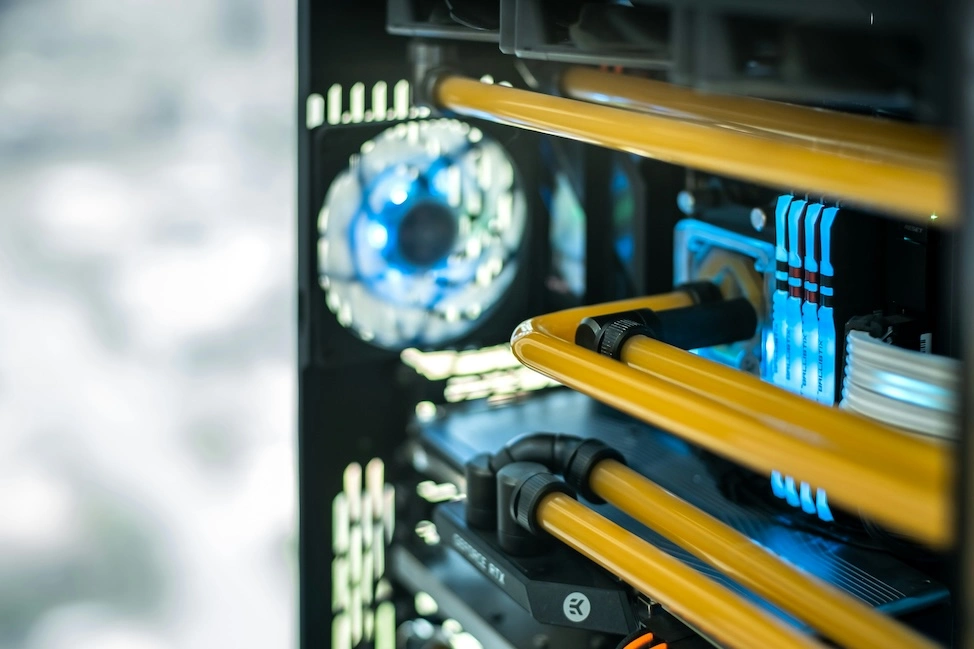
Step 1. Understanding bare metal servers
Bare metal servers are physical machines dedicated to a single tenant, offering exclusive access to hardware resources. Unlike cloud hosting, which uses virtualized resources spread across multiple servers, or VPS hosting, which divides a single server’s resources among several users, bare metal servers eliminate the overhead associated with virtualization.
Startups often choose bare metal servers for applications requiring high performance and low latency, such as big data analytics, high-frequency trading, or resource-intensive web applications. These use cases benefit from dedicated resources, ensuring efficient workload handling without competition for resources.
Additionally, as startups scale, the predictable performance of bare metal servers is crucial for maintaining a seamless user experience.
Additionally, as startups scale, the predictable performance of bare metal servers is crucial for maintaining a seamless user experience.
Key features of bare metal servers include:
- Dedicated resources: All CPU, RAM, and storage are reserved for your applications.
- Superior performance: Capable of handling intensive tasks with minimal latency.
- Enhanced security: Physical isolation of resources reduces the risk of data breaches.
Step 2: Clarify cost considerations
Choosing bare metal servers for your startup means weighing various cost factors beyond just the monthly bill.
Upfront vs. recurring costs
One of the biggest financial decisions when opting for bare metal servers is whether to purchase hardware outright or lease from a hosting provider.
- Buying your own servers requires a significant capital investment, but it eliminates recurring rental costs and can pay off in the long run if your infrastructure remains stable.
- On the other hand, leasing spreads out expenses over time, providing access to enterprise-grade hardware without a large initial outlay. This option is often more manageable for startups prioritizing cash flow over long-term savings.
Operational costs
Owning or leasing a bare metal server comes with operational expenses beyond the hardware itself. Power consumption, cooling systems, and maintenance all contribute to the total cost of ownership. Hosting providers typically bundle these costs into leasing agreements, while self-managed servers require direct investment in infrastructure and personnel to handle upkeep.
Startups must consider whether they have the in-house expertise to manage these aspects or if outsourcing is the better option.
Comparing costs to cloud alternatives
Cloud services attract startups with their flexible, pay-as-you-go pricing models. Compute resources can be scaled instantly, and there are no upfront hardware costs. However, over time, cloud expenses can add up, especially for high-performance workloads.
Bare metal servers offer predictable pricing, making long-term budgeting easier. If your startup requires consistent, high-performance computing, bare metal can be the more cost-effective choice compared to fluctuating cloud fees.
Get bare metal at the best value. Explore bare metal packages →
Explore Liquid Web’s latest dedicated hosting packages and save today.
Hidden expenses
Beyond the obvious costs, there are additional financial considerations that startups can’t afford to overlook.
- Software licenses for operating systems, virtualization tools, and security solutions may not be included in a bare metal server lease.
- Backup solutions, disaster recovery plans, and dedicated technical support also add to the total cost.
Step 3. Weigh the benefits of bare metal servers for startups
Bare metal servers offer a range of performance advantages that can enhance operational efficiency for startups.
- Performance advantages: With dedicated CPU, RAM, and storage, bare metal servers provide unparalleled speed and reliability. This allows startups to run resource-intensive applications without the limitations of shared hosting environments, resulting in improved application performance and a better user experience.
- Security and compliance: Bare metal servers eliminate the risks associated with noisy neighbours, as you have complete control over your server environment. This dedicated setup allows for stricter security measures, ensuring your data remains private and compliant with industry regulations.
- Long-term efficiency: What frequently happens is that startups and small businesses sign up for cloud hosting because of the lower cost to entry, but quickly scale their need for server resources. Unless you’re keeping a close eye on resource usage, you could end up paying more for cloud hosting than a bare metal server.
- Customization and scalability: Startups can configure their servers to suit unique workloads and easily scale resources as demands increase, without the downtime associated with migrating to new platforms. This flexibility is crucial for startups looking to adapt and thrive in a competitive market.
Step 4: Evaluate challenges
While bare metal servers offer numerous benefits, it’s essential to consider the challenges and drawbacks that may arise.
- Initial setup complexity: Bare metal servers require a certain level of technical expertise to configure and manage effectively. This can be daunting for startups without a dedicated IT team, potentially leading to misconfigurations that could hinder performance or security. (Note that this is easily overcome if your bare metal provider offers managed services.)
- Scaling limitations: Unlike cloud solutions that allow for virtually infinite scaling, provisioning new bare metal servers often involves lead times for hardware acquisition and setup. This can restrict a startup’s ability to respond swiftly to changing demands or spikes in traffic, which could be detrimental in a fast-paced market.
- Potential underutilization: Startups may over-provision their bare metal servers to ensure sufficient capacity for anticipated growth. However, this can lead to wasted resources and increased costs if actual demand does not match expectations. It’s crucial for startups to carefully assess their needs and growth projections to avoid over-provisioning pitfalls.
Use cases: When startups should choose bare metal servers
Startups engaged in AI/ML, data analytics, or gaming require robust processing power and low latency, which bare metal servers provide. Dedicated resources ensure optimal performance, enabling startups to handle intensive workloads efficiently.
Startups in compliance-heavy industries such as finance and healthcare often face stringent regulatory requirements. Bare metal servers offer enhanced security features and greater control over data storage and processing, making them suitable for managing sensitive information.
For cost-conscious startups with predictable workloads, bare metal servers can be a financially sound option. Unlike cloud solutions that may incur variable costs based on usage, bare metal servers provide a straightforward pricing model. This predictability allows startups to budget more effectively and scale operations without unexpected financial surprises.
Alternative hosting options for startups
The most popular alternatives to bare metal hosting are shared hosting and VPS hosting.
- Shared hosting is the most budget-friendly choice at the beginning. However, performance and reliability can fluctuate based on the activities of other users sharing the same environment. For startups aiming for growth and scalability, this unpredictability can hinder the user experience and affect crucial operations.
- A VPS serves as a middle ground between shared hosting and dedicated solutions. It offers dedicated resources within a shared environment, balancing cost and performance. While a VPS provides more control and better stability than shared hosting, it still lacks the full power and customization options of bare metal servers.
Getting started with bare metal server hosting
When considering the cost-benefit analysis of bare metal servers, several key insights emerge. Bare metal servers offer unparalleled performance, reliability, and customization options compared to other hosting solutions. The upfront investment may seem significant, but the long-term benefits might be worth it.
Start by evaluating your budget and your long-term priorities and goals. If you expect your server needs to remain small and you can absorb the risk of a shared environment, bare metal might be overkill. If you need the best performance, the most secure server, and/or consistent pricing, bare metal is the way to go.
Either way, Liquid Web can help. Our VPS solutions are the fastest, most secure in the industry. We also offer unbeatable bare metal servers. Additionally, because we host both, you can start with a VPS and scale up to a fully dedicated server without a painful migration.
Click below to explore bare metal options or start a chat with one of our experts to learn more.
Additional resources
What is bare metal? →
A complete beginner’s guide to help you understand what it is, how it works, basic terminology, and much more
Bare metal setup: A step-by-step guide to setting up your first server →
Discover the essential steps to set up a bare metal server for optimal performance and security.
Bare metal vs VMs →
Which performs better? Get a side-by-side comparison on eight key features.