


 Liquid Web
 Big data analytics is a cornerstone for modern businesses seeking a competitive edge. By diving deep into vast datasets, companies can reveal hidden patterns, market trends, and essential insights that drive informed decisions. This capability enhances operational efficiency, reduces costs, and fosters innovation in sectors like healthcare, education, finance, and retail. And it’s why the integration of big data analytics with cloud technology is something you should look for in a hosting provider.
With over 60% of corporate data now residing in the cloud, it’s the most logical frontier for big data analytics in business.
However, the immense size and diversity of big data pose significant challenges. Traditional data processing tools often falter under the weight of real-time demands and complex data types.
This article provides best practices for optimizing big data analytics in the cloud to help you overcome this challenge and enhance your data processing capabilities. You should walk away with the most effective strategies for unlocking your data’s full potential and navigating the complexities of cloud-based big data analytics.
Key points
- Cloud-based big data analytics offers scalability, flexibility, and cost-effectiveness.
- Consider data security, compliance, and performance when selecting a cloud provider.
- Liquid Web provides secure, compliant hosting solutions tailored for big data workloads.
- Optimize big data analytics by leveraging the right cloud hosting solutions and providers.
- Liquid Web offers complimentary migrations and 24/7/365 support for a smooth transition.
Transforming big data analytics with cloud technology: Key considerations
To fully leverage cloud technology for big data analytics, you need to consider the following:
Transitioning from traditional data integration processes
The traditional Extract, Transform, Load (ETL) process has long been a staple in data warehousing. With the advent of cloud computing and the exponential growth in data complexity and volume, however, its long-term viability has come into question.
Modern methodologies such as ELT (Extract, Load, Transform), ELTT (Extract, Load, Transform, Transform), and ETLT (Extract, Transform, Load, Transform) are gaining traction, offering enhanced flexibility and efficiency.
To help you understand the differences and advantages of each process, here’s a quick comparative table that breaks down the essentials:
| Method | Process | Advantages | Limitations | Suitable for |
|---|---|---|---|---|
| ETL | Extract -> Transform -> Load | Ensures clean data, good for compliance. | Time-consuming and resource-intensive for large datasets. | Projects where data quality and compliance are the top priorities and the dataset is not too large. |
| ELT | Extract -> Load -> Transform | Faster ingestion and scalable processing (cloud). | Raw data is exposed until transformation. | Projects where faster data ingestion and real-time analytics are important. |
| ELTT | Extract -> Load -> Transform -> Transform | Improved data trust and transparency. | Additional transformation step. | Projects that require both high data quality and real-time analytics. |
| ETLT | Extract -> Transform (local) -> Load -> Transform | Reduces load on data warehouse, good for compliance. | Limited local processing power. | Projects that need to perform initial data cleansing and transformation locally before loading the data into the cloud data warehouse. This can be useful for handling sensitive data or ensuring compliance before the data reaches the cloud. |
Agile development methodologies
Agile development methodologies, like Scrum and Kanban, are ideal for big data projects due to their ability to adapt to changing requirements and new technologies.
Here’s how they address the unique challenges of big data:
- Iterative development and continuous feedback: Agile methods break projects into smaller, manageable sprints, allowing teams to implement and test changes faster. This iterative process is crucial for big data projects, where requirements often evolve as new insights are gained from the data.
- Collaboration among cross-functional teams: Agile frameworks encourage close collaboration between data scientists, engineers, and business stakeholders. This ensures that technical developments are aligned with business objectives, leading to more relevant and actionable analytics.
- Early risk identification and mitigation: Continuous iterations and regular feedback cycles allow teams to identify potential issues early. This proactive approach helps mitigate risks such as data quality problems, integration issues, or misalignment with business goals, ultimately saving time and resources.
Data visualization
Data visualization streamlines analysis by allowing you to turn complex datasets into easy-to-understand visual representations, like charts and graphs. By simplifying data, visualization helps businesses more readily identify patterns and trends, powering informed decision-making.
For instance, heat maps and line charts can reveal sales trends and customer behavior patterns, allowing businesses to adjust their strategies for better outcomes.
Similarly, dashboards that display real-time updates on Key Performance Indicators (KPIs) enable decision-makers to react to market changes or operational issues promptly.
This instant visibility into business performance ensures that companies can stay agile and responsive in an ever-changing environment.
Scalability and flexibility
Cloud environments are scalable and flexible enough for you to adjust resources based on your current needs, eliminating the need for substantial upfront investments.
When you’re cloud-based, you can scale storage and computing power frictionlessly as your data processing needs grow. This is especially important for big data analytics, where data volumes and complexity fluctuate frequently.
Allocating resources to specific projects or departments based on their unique needs also becomes straightforward, making your business more flexible and agile.
Liquid Web offers robust cloud services designed for big data analytics. With its suite of tools, your business can dynamically scale resources up or down to match its analytics workload and cloud setup, ensuring peak performance during high-demand periods and cost savings during low-demand times. This adaptability supports efficient, responsive, and cost-effective data operations.
Data integration and management
Seamless data integration and management in cloud environments are essential for merging data from various sources and ensuring its quality and accessibility. By creating a unified data view, you can eliminate redundancies and inconsistencies, thereby enhancing operational efficiency.
Cloud environments support real-time data processing, allowing teams to work with the most current information, which improves responsiveness and decision-making speed.
This approach also maintains high data quality for reliable insights and ensures robust integration practices that protect sensitive data and support regulatory compliance.
Additionally, effective data management reduces silos, making data readily accessible and enhancing collaboration across the organization.
Security and compliance
In cloud-based big data analytics, data encryption protects sensitive information both at rest and in transit. You can strengthen data security by using your own encryption strategies alongside those provided by the cloud service.
Compliance is equally important, with regulations like HIPAA requiring stringent data protection measures for sensitive information. Elsewhere, regulations like GDPR and CCPA demand comprehensive data security practices, and noncompliance attracts fines and reputational damage.
Regular compliance audits allow you to identify vulnerabilities and ensure adherence to these regulations. Cloud providers also offer certifications and tools for effective and continuous compliance management.
Cost optimization
Optimize costs in cloud big data analytics by choosing a provider and services that precisely match your needs to avoid unnecessary expenses.
Balance performance needs with budget constraints by regularly reviewing and adjusting your service choices and data storage strategies. Utilize cost-effective storage options for less critical data and monitor cloud usage to identify and eliminate underutilized resources.
Regularly analyzing and refining your cloud resource allocation and usage patterns ensures you get the most value from your investment, maintaining both efficiency and cost-effectiveness in your big data analytics operations.
Comparing top cloud providers for optimal big data solutions
In a sea of cloud service providers, a select few distinguish themselves, ready to transform your big data analytics approach and set you on the path to success:
Liquid Web
While Liquid Web is known primarily for its premium managed web hosting services, it also provides solutions designed for big data needs. These options cater to high-performance and large-scale applications, such as big data analytics and machine learning tasks.

Here are the key features that make Liquid Web the ideal choice for your big data analysis demands:
- Database and server cluster hosting: 24/7/365 monitoring, support, and security ensure your large datasets remain secure and always accessible.
- GPU hosting solutions: Liquid Web provides a GPU stack with tools, frameworks, and containerization support. This setup helps deploy and scale AI projects efficiently.
- High availability and compliance: Multi-server environments with managed file replication ensure optimal uptime, while compliant solutions for HIPAA and PCI requirements support continuous operation and regulatory adherence.
- Scalable infrastructure: Dedicated servers, cloud hosting, and the VMware-powered Private Cloud handle extensive data sets and high traffic volumes, allowing seamless scaling as your needs grow.
- Customizable configurations: Highly configurable server setups and managed services allow you to tailor your hosting environment to your specific big data requirements.
- Advanced security: Adherence to HIPAA and PCI-DSS standards, with firewalls and DDoS mitigation, protects sensitive data from unauthorized access and attacks.
- Proactive support: A renowned customer support team offering proactive management and migration assistance ensures a smooth transition and uninterrupted big data analytics experience.
Amazon Web Services (AWS)
AWS is a leader in the cloud computing market, offering a comprehensive suite of services for big data analytics. It provides solutions for building and managing data lakes, supports machine learning, and offers real-time data processing tools.

Some features that make AWS appealing for your big data analytics workflows include:
- Scalability: Services like Auto Scaling and Elastic Load Balancing help you manage varying loads and adjust your infrastructure according to demand.
- Data integration: Tools like AWS Glue for data cataloging and ETL processes and Amazon Kinesis for real-time data ingestion and processing facilitate seamless data movement and transformation.
- Advanced analytics: AWS provides advanced analytics with Amazon Redshift for data warehousing and Amazon EMR for big data processing with frameworks like Apache Hadoop and Spark.
- Security: AWS includes features such as encryption, Identity and Access Management (IAM), and compliance with standards like GDPR, HIPAA, and PCI-DSS, ensuring data protection and regulatory adherence.
Despite its many strengths, AWS also has some drawbacks that you should consider:
- Complexity: Due to its vast number of services and features, AWS can be difficult to navigate and manage. Users often require specialized knowledge and training to utilize and integrate these services effectively, which can be a significant barrier for new users or smaller teams.
- Cost escalation: The pay-as-you-go pricing model, while flexible, means costs can balloon quickly if not managed properly. Without extreme vigilance, you might be fielding endless unexpected expenses.
Google Cloud Platform (GCP)
GCP is known for its advanced data analytics and machine learning capabilities, making it a strong option for big data solutions. It supports efficient data management and real-time processing and offers tools for developing machine learning models.
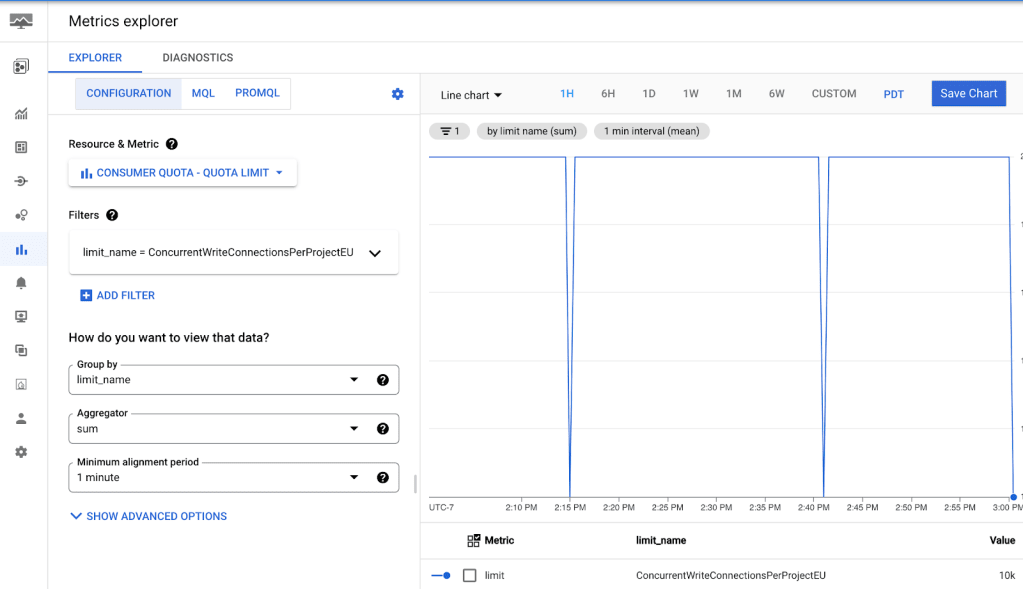
The features below demonstrate Google Cloud’s suitability for cloud-based big data analytics:
- Scalability: GCP offers highly scalable data processing and analytics infrastructure, with tools like BigQuery for rapid data warehousing and Google Kubernetes Engine for efficient container orchestration. These enable seamless scaling as data volume and complexity grow.
- Data integration: GCP provides robust tools like Dataflow for stream and batch data processing and Dataproc for managing Apache Spark and Hadoop clusters. These tools facilitate smooth data ingestion, transformation, and analysis across diverse data sources.
- Advanced analytics: GCP excels in AI and machine learning, offering integrated services such as TensorFlow and AutoML. These tools are finely woven into its big data solutions, allowing for advanced data analysis, predictive modeling, and machine learning workflows.
- Security: GCP ensures data protection with strong security measures, including encryption, IAM, and compliance with major standards such as GDPR and HIPAA, providing a secure environment for handling sensitive data.
On the flip side, GCP also presents a few challenges:
- Smaller market share: GCP has a smaller market share compared to alternatives like AWS and Azure, which might affect the availability of certain services and the level of support.
- Integration complexity: Integrating GCP with existing systems can be complex, often requiring specialized knowledge and effort to ensure seamless integration.
Microsoft Azure
Azure is a major player in the cloud market, offering a wide range of services for big data analytics. It provides robust solutions for data lakes, supports advanced machine learning, and facilitates real-time analytics, making it a comprehensive option for handling large-scale data needs.

The following are the features of Azure that make it suitable for cloud-based big data analytics:
- Scalability: Azure provides scalable solutions with services like Azure Synapse Analytics for powerful data warehousing and Azure Databricks for efficient big data processing on complex analytics workloads.
- Data integration: Azure Data Factory facilitates seamless data integration, and Azure Stream Analytics powers real-time data processing. These services ensure smooth data flow and transformation across various sources and formats.
- Advanced analytics: Azure supports various analytics and machine learning tools, including Azure Machine Learning and Cognitive Services. These integrated tools facilitate advanced data analysis, predictive modeling, and the development of intelligent applications.
- Security: Azure ensures robust security with features like encryption, IAM, and compliance with major regulatory standards such as GDPR and HIPAA. This provides a secure environment for processing and protecting sensitive data.
Despite its strengths, there are some cons associated with Azure:
- Management complexity: Azure can be complex to manage due to its wide range of services, and it can be difficult to navigate the platform and fully utilize its capabilities without specialized knowledge.
- Integration challenges: Integration with non-Microsoft products can sometimes be challenging, necessitating additional effort and expertise to ensure compatibility.
IBM Cloud
IBM Cloud provides services in data management, AI, and machine learning, making it ideal for big data solutions. Its robust offerings enable efficient data handling and advanced analytics, making it a top choice for large-scale data projects.

IBM Cloud offers the following features for effective cloud-based big data analytics:
- Scalability: IBM Cloud provides a scalable infrastructure with services like IBM Cloud Pak for Data, which integrates data management and analytics, efficiently handling growing data volumes and complex workloads.
- Data integration: IBM Cloud offers comprehensive tools like IBM DataStage for seamless data integration and IBM Streams for real-time data processing. These services ensure efficient data flow and transformation across various sources.
- Advanced analytics: IBM Cloud excels in AI and machine learning, offering integrated offerings such as Watson Studio and Watson Machine Learning. These tools enhance big data solutions by facilitating advanced data analysis, predictive modeling, and machine learning workflows.
- Security: IBM Cloud ensures robust security with features like encryption, IAM, and compliance with major regulatory standards such as GDPR and HIPAA, providing a secure environment for processing and protecting sensitive data.
However, IBM Cloud has some notable cons:
- Service availability: IBM Cloud’s comparatively smaller market share might affect the availability of certain services and the level of support.
- Higher cost: IBM Cloud can be more expensive than other providers, potentially leading to higher overall costs for similar services.
Key trends in cloud-based big data analytics
After reviewing the top cloud service providers, it’s time to explore the tools and trends in cloud-based big data analytics:
Integration of IoT and big data
Integrating Internet of Things (IoT) devices with big data analytics is revolutionizing various industries by providing more opportunities for real-time data collection and processing.
This digital transformation allows businesses to optimize operations, make informed decisions, and enhance customer experiences.
For instance, smart cities use IoT data to manage traffic and power efficiently, while healthcare providers utilize wearable devices to monitor patients and tailor treatments.
However, this integration also presents challenges, such as ensuring data security, maintaining privacy, and handling large data volumes. Implementing robust security protocols and leveraging cloud-based systems can help address these issues, facilitating the advancement of IoT-generated data in big data analytics.
AI and machine learning enhancements
AI and machine learning enhance big data analytics in the cloud by automating tasks, identifying patterns, and predicting future trends. Cloud AI services are continuously improving, offering features like AI-friendly hardware, automatic scaling, and the ability to handle diverse data types.
AI Software-as-a-Service (SaaS) makes advanced AI tools, such as language processing, prediction, and virtual assistants, easily accessible, transforming business operations. AI also enhances data integration by cleaning up data and enabling real-time decision making.
Edge computing
Edge computing is gaining traction as a method to process data closer to where it is collected, enhancing speed and enabling real-time decisions.
Recent advancements in edge computing allow businesses to process data on-site rather than relying solely on a central location. This reduces latency, minimizes bandwidth usage, and improves overall system performance.
This approach is critical for applications requiring rapid response times, such as self-driving cars and robots used on factory floors.
Data privacy and ethical use
With the vast amount of data generated today, concerns about securing sensitive information and protecting user privacy have taken center stage.
Implementing end-to-end encryption ensures that data remains secure during transmission, while multi-factor authentication prevents unauthorized access. Compliance with regulations like GDPR and CCPA is necessary to protect personal information and avoid legal repercussions.
Finally, the ethical use of AI is essential to prevent biases in data processing and ensure fair and transparent outcomes.
These measures collectively address the heightened concerns around data privacy and ethical use in big data analytics.
Start optimizing your big data strategy in the cloud today with Liquid Web
Integrating big data analytics with cloud technology offers tangible benefits for businesses.
The cloud’s scalability allows you to process large data sets without major upfront costs. And its flexibility adapts to changing needs and sudden workload spikes.
Cloud-based big data analytics also provides cost savings through a pay-as-you-go model. This eliminates overprovisioning and reduces the total cost of ownership.
When selecting a cloud service provider, consider factors such as data security, compliance, and performance.
Liquid Web offers secure and compliant hosting solutions tailored for big data workloads, including bare metal servers, cloud dedicated servers, and VMware Private Cloud. These solutions incorporate advanced security measures and ensure compliance with industry standards like HIPAA and PCI-DSS.
What’s more, Liquid Web supports businesses transitioning to the cloud by offering complimentary migrations for new server orders and providing 24/7/365 support.
Partnering with Liquid Web’s cloud hosting solutions optimizes your big data analytics, unlocking insights that drive innovation and competitiveness.
Explore Liquid Web’s products and services to kickstart your cloud-based big data analytics journey today!